


.jpg)
セキュリティチームに必要なのは、さらなるアラートではありません。彼らに必要なのは、ある単純な問い――「まず何に注力すべきか」――に答える、質の高いアラートの優先順位付けです。
一見単純明快に聞こえますが、多くの脅威スコアリングモデルは依然として「イベント」レベルから分析を開始しています。これらは、単一の異常、単一のルール違反、あるいは単一の検知を個別に検討し、それに基づいて固定の緊急度を割り当てています。このアプローチでは、ノイズや死角が生じます。現代の攻撃は、孤立した出来事として発生するものではありません。AIの活用により攻撃の速度は増していますが、それでもなお、攻撃はID、ネットワーク、クラウドサービス、SaaSアプリケーションを横断する一連の関連した行動として展開されるのです。
各イベントを画一的なリスク基準で評価すると、防御側にとって最も重要な2つの要素が見落とされてしまいます。第一に、その評価では「進行性」が考慮されていません。ある行動の意味は、その前後に何が起きたかによって変化するものです。第二に、その評価では「文脈」が考慮されていません。同じ行動であっても、環境や関与する資産、攻撃対象となる組織の重要性によって、伴うリスクは大きく異なる可能性があります。
一部のツールでは、繰り返しや発生頻度に基づいてスコアを単純に引き上げることで、この問題を改善しようとしています。同じシグナルが3回出現すれば、スコアが上昇する仕組みです。これは限定的なケースでは有効かもしれませんが、依然として現実を歪めてしまいます。繰り返しがノイズの多い活動を過大評価してしまう一方で、たった1回の重要な動作こそが、真の脅威が発生していることを示す最も明確な兆候である場合もあるからです。
Vectra AI 、実際の攻撃に対応するために設計されています。Vectra AI 、ネットワーク、ID、クラウド、SaaSにわたる攻撃者の行動を収集、分析、相関付け、優先順位付けを行います。これにより、防御担当者は、何にまず注意を向けるべきかについて明確な判断材料を得ることができます。
同様に重要なのは、Vectra AI が高品質であるという点です。Vectra AI 、実際の攻撃者の行動をVectra AI 、ノイズを低減することで、EDRのみのアプローチでは関連付けや優先順位付けが適切に行われない可能性のある脅威を含め、他のツールが見逃す脅威を防御担当者が発見できるよう支援します。Vectra AI ドメインを横断した攻撃者の行動の進展をVectra AI 、防御担当者が対応するために必要なコンテキストとともに、攻撃を迅速に特定することができます。
これは重要な点です。なぜなら、攻撃者は時間をかけて環境内を進行していくからです。彼らは探査、権限昇格、横方向の移動を行い、持続性を確立し、最終的に被害をもたらすことを目指します。防御側は、こうした行動が全体として何を示しているかを理解した上で優先順位付けを行う必要があります。Vectra AI 現実を踏まえてVectra AI 、Vectra AI検知、トリアージ、優先順位付けエンジンを統合することで、緊急性の高い脅威を特定すると同時に、そうでなければアナリストの時間を浪費してしまう無害なアクティビティを削減します。
調査におけるアナリストの思考プロセス
アナリストがアラートを受け取ると、通常は次のような質問から始める。
- これは実際の攻撃者の活動なのか、それともこの環境では想定される動作なのか?
- 攻撃者はどこまで進んでいるのか?
- この状況はどれほど急速に変化しているのでしょうか?
- これは重要なアカウント、ホスト、またはサービスに関連していますか?
- なぜこのエンティティが順番待ちの先頭に上がったのでしょうか?
Vectra AI 、推測ではなく、状況に基づいてこれらの疑問に答えるように設計されています。この機能は、振る舞い 、攻撃の進行状況、および環境的な重要性を統合し、優先順位付けされた単一のビューとして提示することで、防御担当者に緊急性を明確に説明します。
Vectra AI 、重要な事項を優先的に扱う仕組み

1. まず、高品質Vectra AI 信号から始まります
アナリストからの質問:このシグナルは信頼できますか?
質の高い優先順位付けは、質の高い検知から始まります。Vectra AI 、単なる孤立した異常やシグネチャではなく、意味のある攻撃者の行動を明らかにするように設計されています。シグナルは、問題に適したモデルアプローチを用いて生成されます。これには、従来の機械学習技術、特許取得済みのアルゴリズム、そして自社でトレーニングされた最先端の生成AIベースのアプローチが活用されています。 これらは「行動」に焦点を当てています。つまり、たとえ生成AIツールによって支援されていたとしても、攻撃者が攻撃時に依然として行う行動そのものです。
検知自体に加え、検知後の段階でもAIを活用し、各検知イベントを精査します。これにより、環境や全体的な要因を考慮した上で、そのイベントがリスクをもたらすものか、あるいは無害なものかを評価します。このプロセスにより無害なイベントが排除され、追跡・スコアリングされるイベントが高品質であり、真のリスクであることが保証されます。
2. 単なる個別の出来事だけでなく、攻撃者の行動パターンを把握している
アナリストからの質問:これらの検知結果を総合すると、どのような意味を持つのでしょうか?
Vectra AIは、観測された行動を標準化し、攻撃者の活動を構造的に理解します。これには、該当する場合、MITER ATT&CKに準拠した手法も含まれます。そこから、Vectra AIは手法を関連付けて攻撃プロファイルを作成し、防御側が、外部の攻撃者、ランサムウェア、内部不正、IT部門による情報漏洩、あるいはその他の運用パターンなど、どのような種類の活動に対処しているのかを理解するのに役立ちます。これにより、アナリストは、個々のアラートの山よりもはるかに有用な情報、つまり一貫性のある攻撃のストーリーを得ることができます。
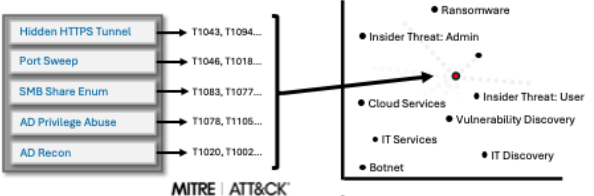
3. 攻撃の進行状況と速度を考慮に入れている
アナリストの質問:この脅威は衝突に向かって加速しているのでしょうか?
現代の攻撃者は素早く行動しますが、AIを活用した攻撃者はさらに迅速に動くでしょう。Vectra AI 、攻撃の速度や手法の幅広さを含め、時間の経過に伴う行動の推移を分析します。単一の不審な行動でも調査に値する場合があります。一方、認証情報の取得、権限の悪用、横方向の移動、コマンド&コントロールを示唆する一連の行動が急速に連鎖する場合は、直ちに対応が必要です。攻撃の速度を把握することで、単なる潜在的な問題と、勢いを増している実際の脅威とを区別することができます。
4. あらゆる異常値に過剰反応することなく、希少性と地域的な関連性を活用している
アナリストの質問:この状況下で、この動きには本当に意味があるのでしょうか?
セキュリティにおける最も難しい問題の一つは、異常なアクティビティが頻繁に発生する一方で、悪意のあるアクティビティはしばしばそれらに紛れ込んでしまうことです。Vectra AIはこの問題に慎重に取り組みます。Vectra AIのスコアリングでは、すべての稀なイベントを緊急扱いするのではなく、稀少性を真の優先度を判断するための要素の一つとして活用します。新しいホスト、稀ではあるもののリスクの高い動作、新しいデバイスの役割といった重要なイベントは、あらゆる違いをノイズに変えることなく、緊急度を高めるための要素となります。その結果、シグナルの信頼性が向上し、単に馴染みのないアクティビティを追跡する無駄な時間を削減できます。
5. 深刻度と状況を総合的に判断する
アナリストの質問:この行為を放置した場合、どれほど危険なのでしょうか?
攻撃者の行動の中には、特に周囲の状況と相まって、本質的により大きなリスクを伴うものがあります。Vectra AI 、行動と状況を総合的に分析することで、このリスクを反映します。深刻な行動、より広範な攻撃手法の適用、および攻撃の進行を示す証拠は、対応の緊急度を高めます。これにより、環境から切り離された静的な深刻度ラベルに依存するのではなく、脅威がもたらす可能性のある運用上の影響を反映した優先順位付けが可能になります。
6. 重要度、優先順位、資産としての役割、および顧客の意見を通じて、最も重要な要素を際立たせます
アナリストからの質問:どの組織が最も迅速な対応を必要としていますか?
Vectra AI スコアリングは、攻撃者の行動のみに基づいているわけではありません。攻撃を受けているエンティティの重要性も考慮されます。 AIは、根本的な権限や資産の役割を特定するために使用されます。これと顧客が定義した重要度パラメータを組み合わせることで、エンティティの優先順位付けが行われます。つまり、ドメインコントローラー、特権ID、機密性の高いサブネット、またはビジネスに不可欠なシステム上で発生した不審な活動は、重要度の低い資産上で発生した同様の行動よりも迅速にエスカレーションされます。このようにして、優先順位付けは運用上有用なものとなります。これは、単なる技術的な検知だけでなく、緊急度をビジネスリスクと整合させるものです。
7. これにより、防御側にもその論理が明確になる
アナリストの質問:なぜこのスコアがトップに躍り出たのですか?
優れたスコアリングは説明可能であるべきです。Vectra AIは、統一されたスコアと視覚的に分かりやすいスコアリング要素によって緊急度を提示し、アナリストがエンティティの優先順位付けの理由を理解できるようにします。アラートの背後にあるロジックをチームが逆算して解明する必要はなく、Vectra AIは攻撃の経緯、関連する挙動、緊急度に影響を与える要素など、コンテキストを事前に提供します。この明確さにより、トリアージが迅速化され、シグナルへの信頼性が向上し、チームは自信を持って行動できるようになります。
優先順位付けから実行まで
Vectra AI 、あるシンプルな問いに答えます。それは、「今、どのエンティティが最も重要か?」という問いです。
攻撃は時間をかけて展開されるため、その優先順位付けはエンティティレベルで行われます。リスクは、個々の検知結果そのものではなく、行動がどのように関連し合っているかによって生じます。
しかし、実際の処理は依然としてイベントレベルで行われます。
各検知には、その背後にあるエンティティのコンテキストが含まれており、そのエンティティが優先度レベルに達しているかどうかも含まれます。優先度レベルに達した場合、未解決の優先度設定により、脅威が部分的に対処されるだけでなく、完全に解決されるまで、関連するすべてのイベントが優先度の高い状態を維持します。
これにより、モデル全体の一貫性が保たれます。エンティティスコアリングによって注目すべき点が明確になり、イベントレベルのシグナルによって、調査や対応の過程でもその焦点が維持されます。
このアプローチがもたらす成果は、単なるスコアの向上にとどまりません。それは、SOCにとってより優れた運用モデルなのです。
Vectra AIは、防御担当者がアラートの追跡から脅威の優先順位付けへと移行できるよう支援します。これにより、手動によるトリアージの負担が軽減され、複数のドメインにわたる挙動が関連付けられ、攻撃者の活動状況を示す可能性が最も高いエンティティが明らかになります。つまり、断片的なシグナルの調査に費やす時間が減り、攻撃が影響を及ぼす前に阻止する時間が増えるということです。
その影響は、いくつかの重要な点で現れています:
- セキュリティ担当者は、
に注力できます。約15万台のデバイスとIDを監視対象としたあるPOV(価値実証)の実証実験では、Vectra AI検知、トリアージ、優先順位付けを組み合わせることで、ノイズを約24件のアラートにまで削減しつつ、重要な脅威に対するカバー範囲を確保しました。これこそが、高品質なシグナルと効果的な優先順位付けがもたらすべき成果です。すなわち、ノイズの低減、焦点を明確化、そしてアナリストの時間の有効活用です。
- Vectra AIは、他のツールが見逃す脅威を検出します
Vectra AIは、ネットワーク、ID、クラウド、SaaSにわたる攻撃者の振る舞いを相関分析するため、ポイントツールでは見逃されがちな脅威や、EDRのみのアプローチでは意味のある攻撃ストーリーに結びつかない脅威を明らかにすることができます。Vectra AIは、防御側に、単なる個別のイベントではなく、攻撃者の進行状況を可視化します。
- Vectra AI 脅威を迅速にVectra AI
Vectra AI 、進行状況、速度、深刻度、およびエンティティの重要性を総合的にVectra AI 、防御担当者が緊急性の高い脅威をより迅速に認識できるよう支援します。攻撃者が時間をかせぐほど被害を受ける可能性が高まるため、この迅速さが極めて重要です。
Vectra AI、その価値は「リスクの低減」、「遅延の解消」、そして「アナリストの能力の最大化」という3つの観点から捉えることができます。これこそが、効果的な優先順位付けが果たすべき役割です。
Vectra AI 動作をご覧ください
セキュリティチームにとって、スコアリングの価値は「信頼」にかかっています。そのプラットフォームは、何が重要なのかを把握し、その重要性を理解し、攻撃がさらに進行する前に適切に対応することを可能にしてくれるでしょうか?
それがVectra AIスコアリングの目標です。ネットワーク、ID、クラウド、SaaSにわたる攻撃者の行動を相関させ、攻撃プロファイル、速度、深刻度、権限、資産の役割、顧客コンテキストと組み合わせることで、Vectra AIは防御側が最優先で対処すべき脅威に集中できるよう支援します。
Vectra AI 高品質な攻撃シグナルVectra AI 、セキュリティチームが他のツールでは見逃してしまう脅威(EDRのみのアプローチでは検出できない脅威を含む)を発見できるよう支援し、防御担当者がそれらの脅威を迅速に特定して阻止できるようサポートします。