



【本ブログは自動翻訳です】<br>AI導入はもはや将来計画段階ではなく、AIエンタープライズ内で既に始まっています。従業員は業務効率化のために外部AIサービスを利用し、Microsoft Copilotは日常業務の一部となりつつあります。ワークフローをサポートする新しいエージェントも開発され、AWS BedrockやAzure AI Foundryといったプラットフォームは、AIを活用した機能を開発・提供するための新たな手段を開発者に提供しています。
これは刺激的な状況であると同時に、セキュリティチームにとっては未知の領域でもあります。彼らにとっての課題は、AIを使うべきかどうかではなく、ほとんどの組織が既にAIを活用している現状を踏まえ、AIの利用状況を把握し、新たなリスクを理解し、導入拡大に伴うビジネスリスクを保護できるかどうかです。
AIは可視性に関する課題を生み出す
AIの利用には承認されたものもあれば、従業員が正式なガバナンスの枠外で管理されていないサービスを利用するシャドウAIもあります。また、外部AIサービスにデータが転送されるケースや、個人、チーム、ワークフローに代わって動作するエージェントが関与するケースもあります。
それぞれの状況には異なるリスクが伴います。ユーザーが機密データを外部AIサービスに貼り付けることは、その一例です。機密ファイルへの広範なアクセス権限を持つCopilotユーザーが、別のユーザーアカウントを作成する。誤ったIDによって改変されたエージェントも、別のエージェントアカウントを作成します。そして、人間または非人間のIDが侵害された場合、AIはそのIDがアクセス、要約、移動、または操作できる範囲を拡大する可能性があります。
セキュリティリーダーは、AIがどこで使用されているか、誰が使用しているか、どれだけのデータが移動しているか、どのようなエージェントが存在するか、誰がそれらを管理しているか、そしてチームが最初に注力すべき点は何かといった、実践的な答えを必要としています。Vectra AIのAI Readiness機能は、これらの答えをセキュリティチームにとって実用的なインテリジェンスへと変換するのに役立ちます。
進化する脅威:AIは攻撃の速度と規模を変える
リスクは、従業員が新しいAIツールを使用することだけではありません。AIがIDを既にビジネス全体に分散しているデータに接続したときに何が起こるかが問題となります。例えば、攻撃者は、機密ファイル、メール、Teamsの会話、SharePointサイト、またはビジネスアプリケーションへのアクセス権を既に持っている有効なユーザーアカウントを侵害する可能性があります。Copilotを使用すれば、検出が迅速に行われる。攻撃者は手動で調査する代わりに、AI支援ワークフローを使用して、貴重な情報を迅速に見つけて理解することができます。
エージェントはリスクをさらに高めます。侵害されたユーザーがエージェントを管理できる場合、攻撃者はワークフローに影響を与えたり、エージェントの背後に存在するIDを悪用したりする可能性があります。非人間のIDが侵害された場合、自動化は当然のことと見なされることが多いため、その活動を検知するのがより困難になる可能性があります。データの移動は、さらなるリスク要因となります。機密情報が、適切な保護措置のない管理対象外のAIサービスやクラウドAIプラットフォームに流れている場合、セキュリティチームはその事実を把握しておく必要があります。
AIの活用を遅らせてはなりません。AIの可視化が不可欠です。セキュリティチームは、どのサービスが利用されているか、データがどこへ移動しているか、どのエージェントが存在するか、誰がそれらを管理しているか、そしていつIDに異常な動きが見られるかを把握する必要があります。そうして初めて、AIへの準備がセキュリティへの準備となるのです。
AIの可観測性:管理不能なリスクとなる前にAIの利用状況を把握する
AIガバナンスは、承認済みツールをまとめたスプレッドシートから始めるべきではありません。まずは現場の実情を理解し、検証することから始めなければなりません。
Vectra AIのAI可観測性機能は、ネットワーク、クラウド、およびIDのテレメトリを統合し、どのAIサービスにアクセスされているか、その利用範囲はどの程度か、データが外部へどのように流れているかを可視化します。これにより、チームはトラフィックの多いAIサービス、接続数に基づくAIサービスのリーチ、外部AIサービスへのデータ移動、OpenClawインスタンス、AWS Bedrockのアクティビティ、およびEntra SSO経由でアクセスされたAIサービスを確認できます。

こうした可視性により、セキュリティおよびガバナンスチームは実用的な知見を得ることができます。これにより、承認されていないAIツールの削除や利用制限、既存の制御機能を通じたリスクの高いAI接続先のブロック、大規模なデータ移動の調査、AIプラットフォームを活用しているチームの監査、そして利用状況が承認されたポリシーに沿っているかどうかの検証が可能になります。また、管理されていないAIの導入を、事後的に予期せぬ事態として扱うのではなく、ガバナンスの及んだ展開へと移行させるのにも役立ちます。
エージェント型AIエコシステム:エージェントの拡散と、それを誰が管理しているのかを理解する
エージェント型AIは、新たなレベルの複雑さとリスクをもたらします。エージェントは、ワークフローの支援、システムへのアクセス、アクションの起動を行い、委任または割り当てられた権限に基づいて動作します。
Vectra AIの「Agentic AI Estate」機能は、セキュリティチームが、どのようなエージェント型アプリケーションが存在するか、誰がそれらを使用しているか、誰が管理しているかを把握するのに役立ちます。この機能では、稼働中のエージェント型アプリケーションとその管理者、展開・変更・削除されたM365生産性エージェント、主要な管理者およびそれらのエージェントに対する操作、作成されたAzure Foundryエージェント、Security Copilotエージェントとその管理状況が表示されます。 Vectra AIは、セキュリティチームにとって最も重要なエージェント型AIに焦点を当てています。具体的には、Microsoft Copilotエージェント、Security Copilotエージェント、Azure Foundryエージェント、およびユーザーがログインするエージェント型アプリケーションです。
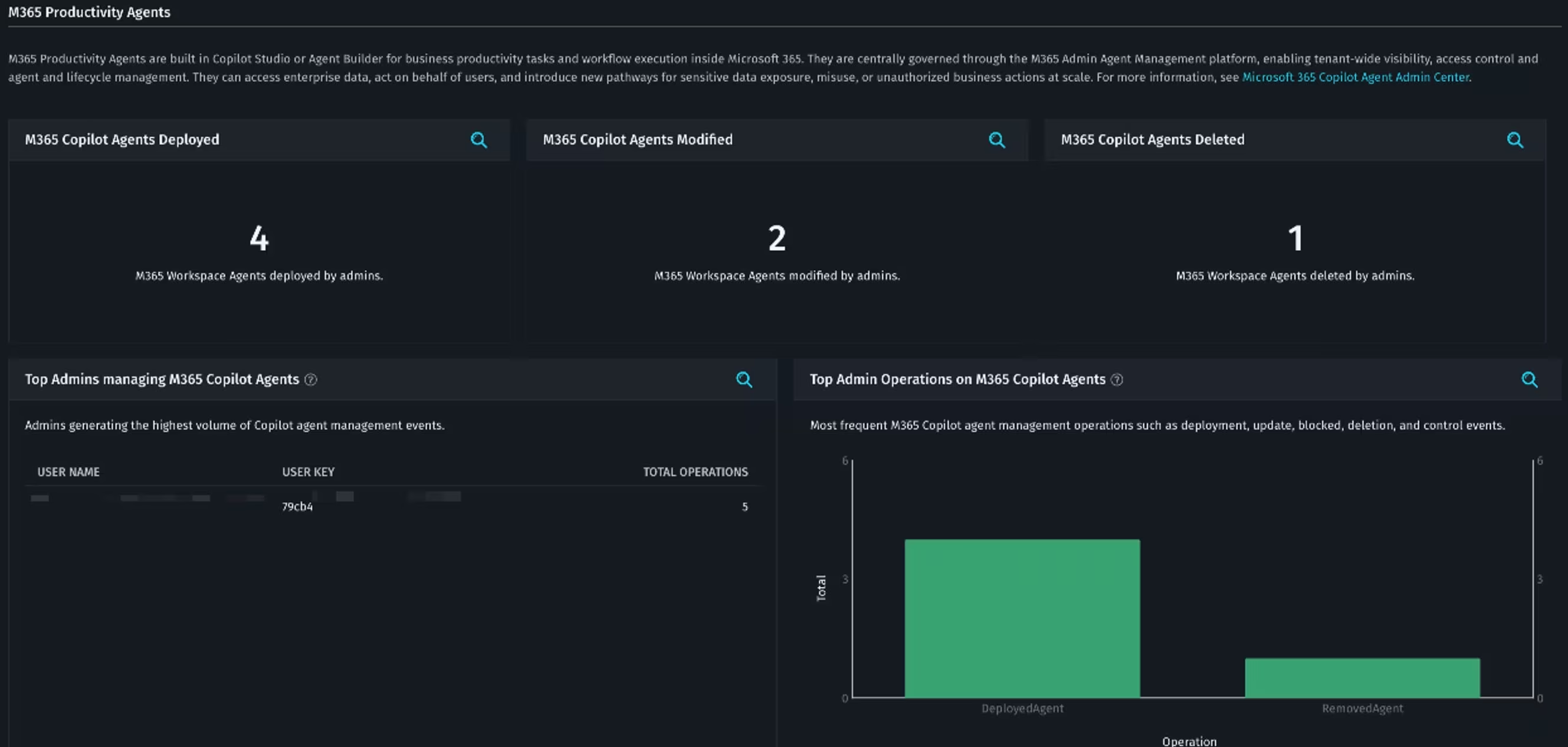
その結果得られるのは、単なるインベントリ情報だけではありません。顧客は、エージェントの識別情報の管理体制を構築し、管理されていない展開を抑制し、特権エージェントのアクティビティを確認し、エージェント管理の背後にある識別情報を監査することができます。また、誰がエージェントを作成したか、誰が変更したか、どのユーザーが操作しているか、そしてそのアクティビティが既存のポリシーに準拠しているかを確認することも可能です。
エージェントのアイデンティティ、すなわちエージェントの背後にあるアイデンティティが侵害された場合、これは極めて重大な問題となります。セキュリティチームは、そのアイデンティティが特異な行動や高リスクな行動(権限の変更、異常な管理操作、機密リソースへの予期せぬアクセス、不審なファイルやメールボックスの活動、大量のダウンロード、あるいは通常の役割から逸脱した行動など)を行った際に、それを把握する必要があります。Vectra AIは、顧客がエージェントのアイデンティティ活動を監査し、人間および非人間のアイデンティティを横断して不審な行動を検出することを支援します。これにより、チームは不正利用が拡大する前に調査を行い、封じ込めることが可能になります。
Copilot for M365:導入状況と利用状況の把握
Microsoft Copilotは、OneDriveやSharePointなどのM365アプリケーションにまたがる情報の検索、要約、活用を支援します。その有用性こそが、セキュリティチームに可視性が求められる理由でもあります。Copilotが権限を無から生み出すわけではありませんが、既存のアクセス権限の利用(および悪用)を容易にしてしまう可能性があります。アカウントに過剰な権限が与えられていたり、侵害されていたりする場合、Copilotは攻撃者の行動の検知速度と範囲を拡大させ、攻撃者がはるかに迅速に動き回れるようにしてしまう恐れがあります。
Copilot for M365のダッシュボード機能では、組織全体での実際の利用状況を確認できます。この機能では、Copilotの主要ユーザー、Copilotを通じて最も頻繁にアクセスされたファイル、およびVectra AIの検知結果と直接関連する不審なCopilotの利用パターンが強調表示されます。
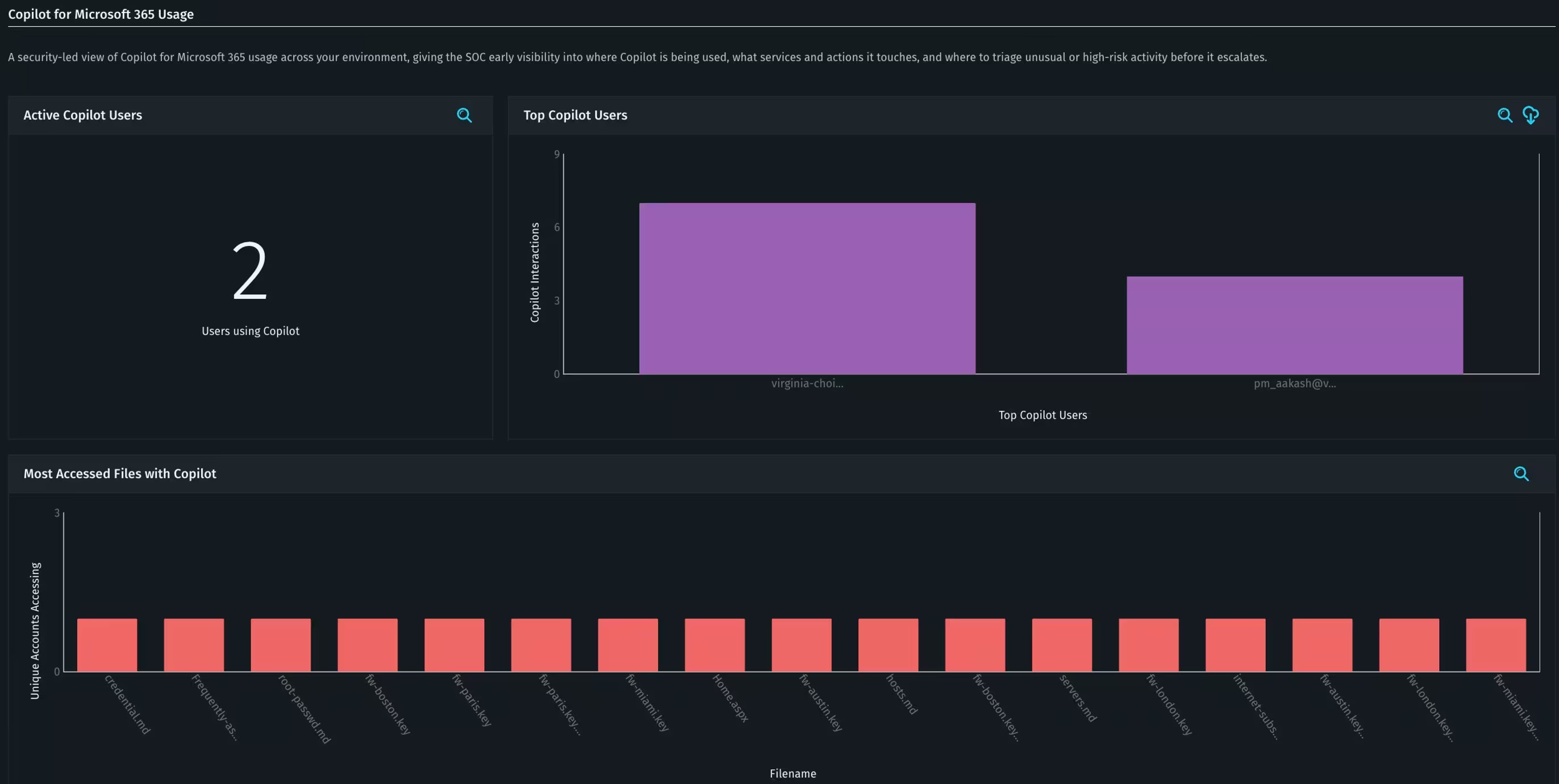
これにより、各チームは機密ファイルへのアクセスが想定通りの方法で行われているかを確認し、Copilotの異常な使用状況を調査し、権限を検証し、Copilotのアクティビティをアイデンティティリスク全体と関連付けることができます。Copilotのリスクについて抽象的な議論をするのではなく、実際のユーザー、実際のファイル、そして実際の行動を具体的に把握することができるのです。
チームが調査できるようになったとき、可視化が役立つ
「AI Readiness」を活用することで、チームはAIの利用状況に関する概要から、その基盤となるテレメトリデータへと直接アクセスし、Vectra AIの「Agentic AI Assistant」の支援を受けながら、自然言語で調査を進めることができます。コンプライアンスに違反している、あるいはビジネス上のリスクとなる外部AIサービスが検出された場合、アナリストはその背後にある正確なID、デバイス、アプリ、およびコンテキストを確認することができます。 AIエージェントが管理または変更された場合、アナリストは誰が操作を行ったか、何が変更されたか、そしてそれがポリシーに適合しているかを確認できます。
これにより、セキュリティチームが想定している状況と実際の状況との間のギャップが解消されます。
企業が安心してAIを導入できるよう支援します
AIの導入は急速に進んでおり、セキュリティチームには、ビジネスの足を引っ張ることなく業務を支援することが求められています。そのためには、ポリシーだけでは不十分です。可視性、コンテキスト、調査、そして検知が不可欠です。Vectra AIのProプランをご利用のセキュリティチームにとって、「AI Readiness」機能は、AIの利用状況の把握、シャドーAIによるリスクの特定、データ移動の監視、自律型AIのリスクの理解、そして人間および非人間のIDにわたる不審な行動の検知を支援します。
AIエンタープライズの時代が到来しました。Vectra AIは、セキュリティチームが状況を明確に把握し、リスクが高まっている箇所を理解し、AIの導入拡大に伴いビジネスを保護できるよう支援します。